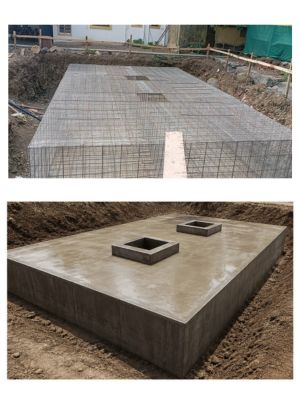
Water storage is essential for homes, farmhouses, agricultural properties, commercial buildings and institutions. Where capacity, available space, geometry and site conditions all matter, a custom ferrocement water tank can be one construction option to evaluate.
What Is a Ferrocement Water Tank?
A ferrocement water tank is a water-retaining structure made using cementitious mortar and distributed reinforcement mesh, with the final arrangement determined by the project design. The tank must be properly designed for water pressure, dimensions, soil conditions and service environment.
Where Can Ferrocement Water Tanks Be Used?
- Independent houses and bungalows
- Apartments and housing projects
- Farmhouses and agricultural properties
- Hotels and resorts
- Commercial buildings
- Industrial and utility facilities
- Institutional properties
- Selected rainwater and utility storage applications
Underground vs Overhead Water Tanks
| Factor | Underground Tank | Overhead Tank |
|---|---|---|
| Typical use | Large-capacity storage and space optimisation | Gravity-fed building water supply |
| Key consideration | Soil, groundwater and external pressure | Support structure and elevated water load |
| Access | Planned inspection and cleaning access is important | Usually easier to inspect depending on design |
| Design focus | Water pressure, soil pressure and buoyancy considerations | Support, elevated load and access |
What Should Be Considered Before Building a Tank?
- Required capacity: determine expected daily use and storage needs.
- Location: identify available space and access for construction.
- Installation: determine whether the tank is underground or elevated.
- Ground conditions: assess soil and groundwater conditions where relevant.
- Geometry: plan dimensions, corners, curves and access openings.
- Waterproofing: select a suitable system for the intended service.
- Plumbing: plan inlet, outlet, overflow, drain and inspection arrangements.
- Maintenance: provide safe and practical cleaning and inspection access.
Waterproofing and Water Quality
A water tank should not be treated as a simple shell. Waterproofing, surface treatment, joints, penetrations, curing and construction quality all matter. If the stored water is intended for potable use, materials and finishes should also be selected according to applicable water-contact requirements.
Why Custom Tank Design Can Be Useful
Every property has different storage requirements and site limitations. A custom approach allows the tank geometry, capacity, access and plumbing to be planned around the project instead of forcing the site to fit a standard product.
Need a Custom Water Storage Solution?
Frequently Asked Questions
Keep Reading
More Articles
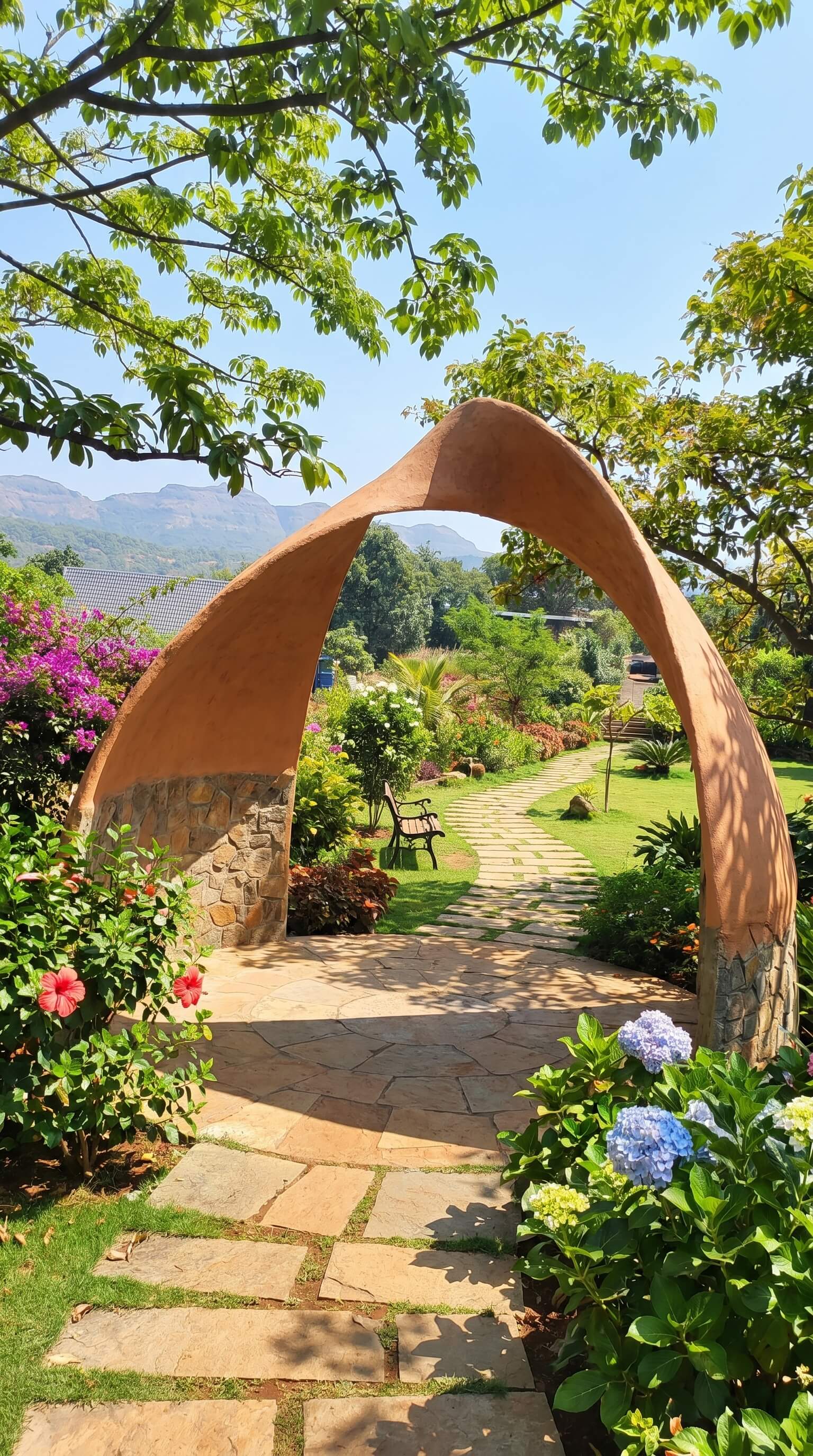 Construction Process & Workmanship
Ferrocement Construction Process
Understand the ferrocement project journey from site inspection and design to reinforcement, mortar application, curing, waterproofing, finishing and handover.
Read Article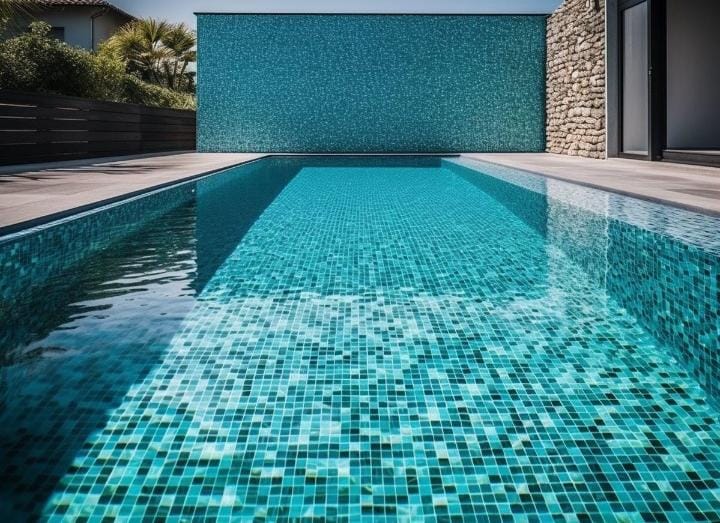 Resort & Farmhouse Construction
Ferrocement for Resorts & Farmhouses
Explore how ferrocement can help create memorable resort and farmhouse environments with pools, artificial waterfalls, caves, rockeries, gazebos and custom landscape features.
Read Article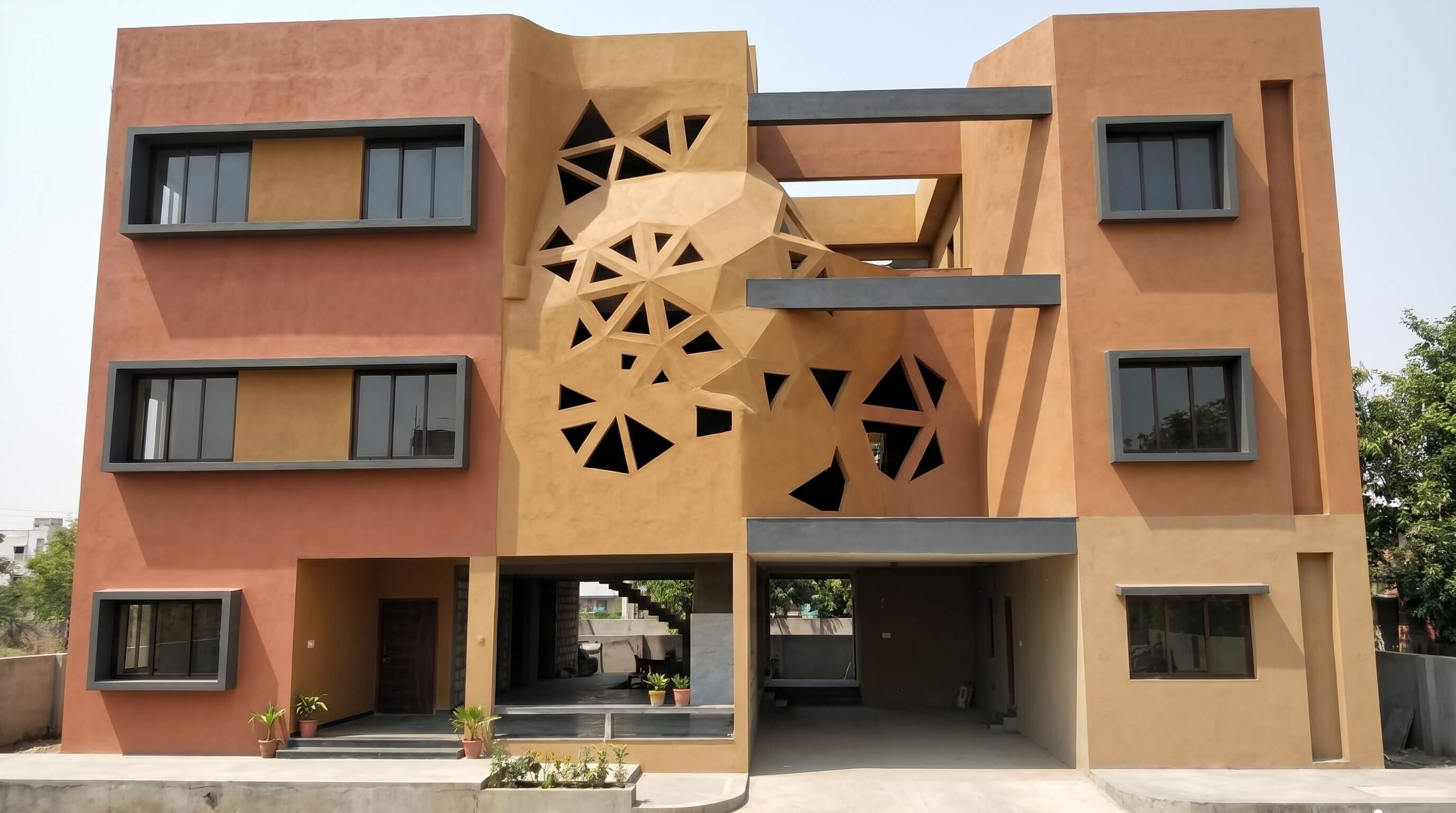 Architectural Ferrocrete
Ferrocrete Building Elevation
Discover how ferrocrete can transform building façades using fins, arches, domes, pergolas, columns, screens and custom architectural forms.
Read Article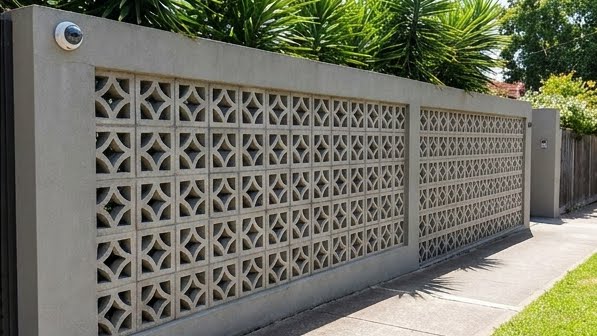 Compound & Boundary Walls
Ferrocement Compound Walls
Explore ferrocement compound walls for homes, villas, farmhouses, societies and commercial properties, combining boundary protection with modern architectural design.
Read Article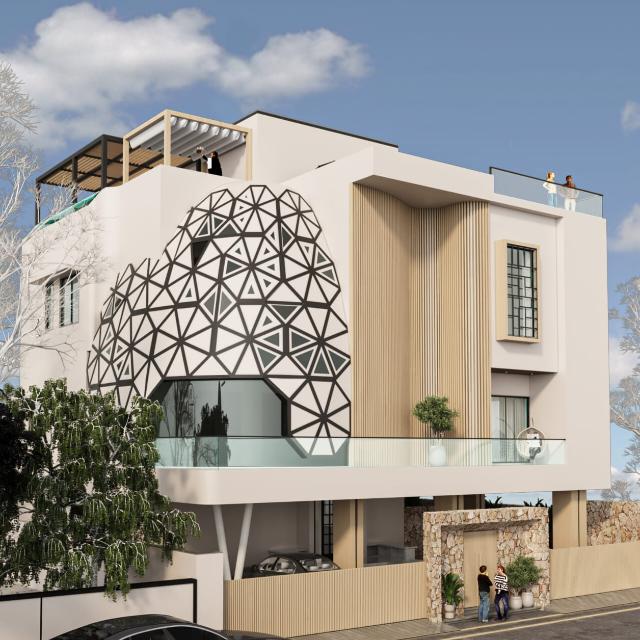 Construction Comparisons
Ferrocement vs RCC
Ferrocement and RCC are different construction systems. Understand their characteristics, applications, advantages, limitations and how to select the right approach for a project.
Read Article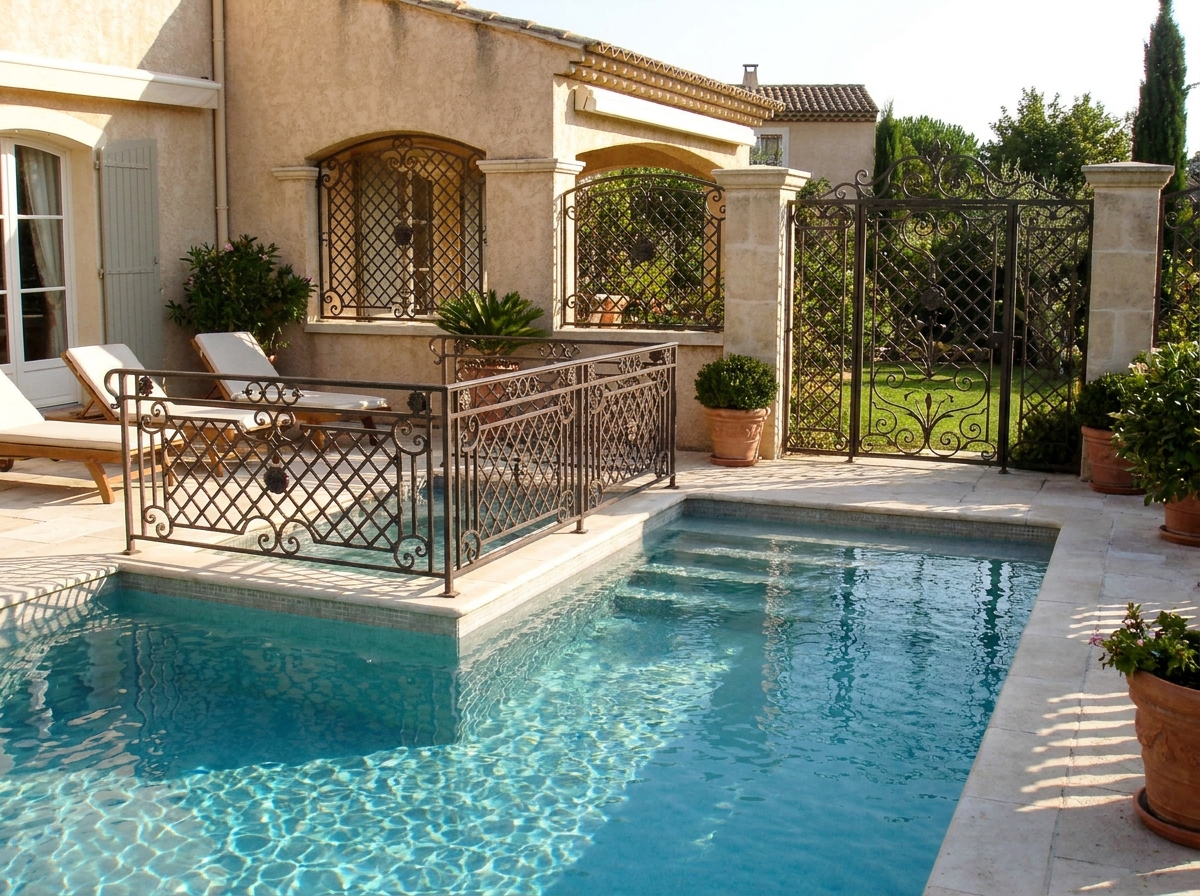 Swimming Pool Construction
Ferrocement Swimming Pools
Planning a pool for a home, farmhouse, resort or club? Learn how ferrocement swimming pools can be designed, constructed, waterproofed and finished around your site and requirements.
Read Article