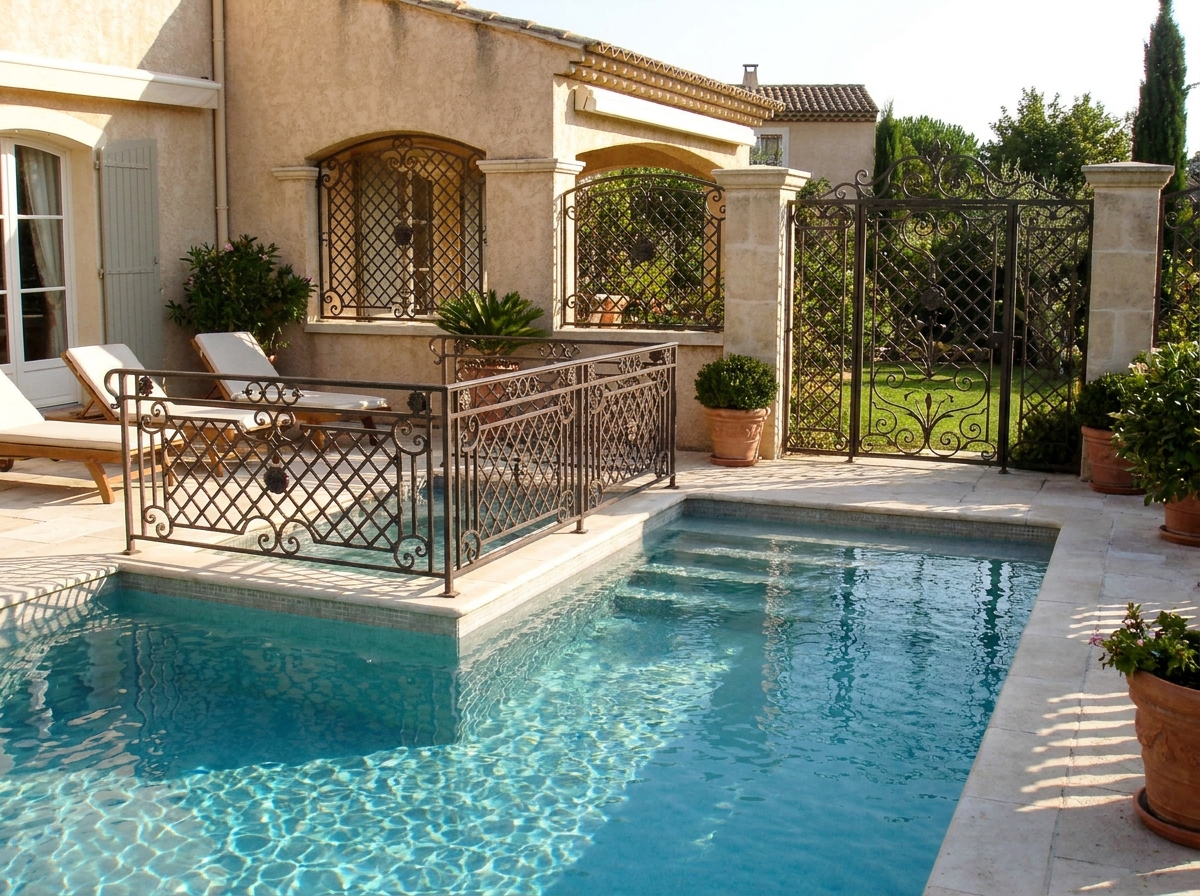
A swimming pool is much more than an excavation filled with water. Pool geometry, structural design, waterproofing, circulation, filtration, finishing, drainage and landscape integration all contribute to the final result. Ferrocement can be considered for residential, farmhouse, resort and hospitality pools where custom geometry is important.
Why Consider Ferrocement for a Swimming Pool?
Ferrocement offers flexibility for creating custom and curved pool forms. It can be useful when the pool needs to fit an unusual site, connect with landscaping or include special features such as seating, steps, waterfalls or themed edges.
- Custom pool shapes and dimensions
- Curved and free-form geometry
- Integration with landscaping and architecture
- Multiple surface and finishing options
- Suitable for residential and hospitality concepts
- Potential for integrated water features
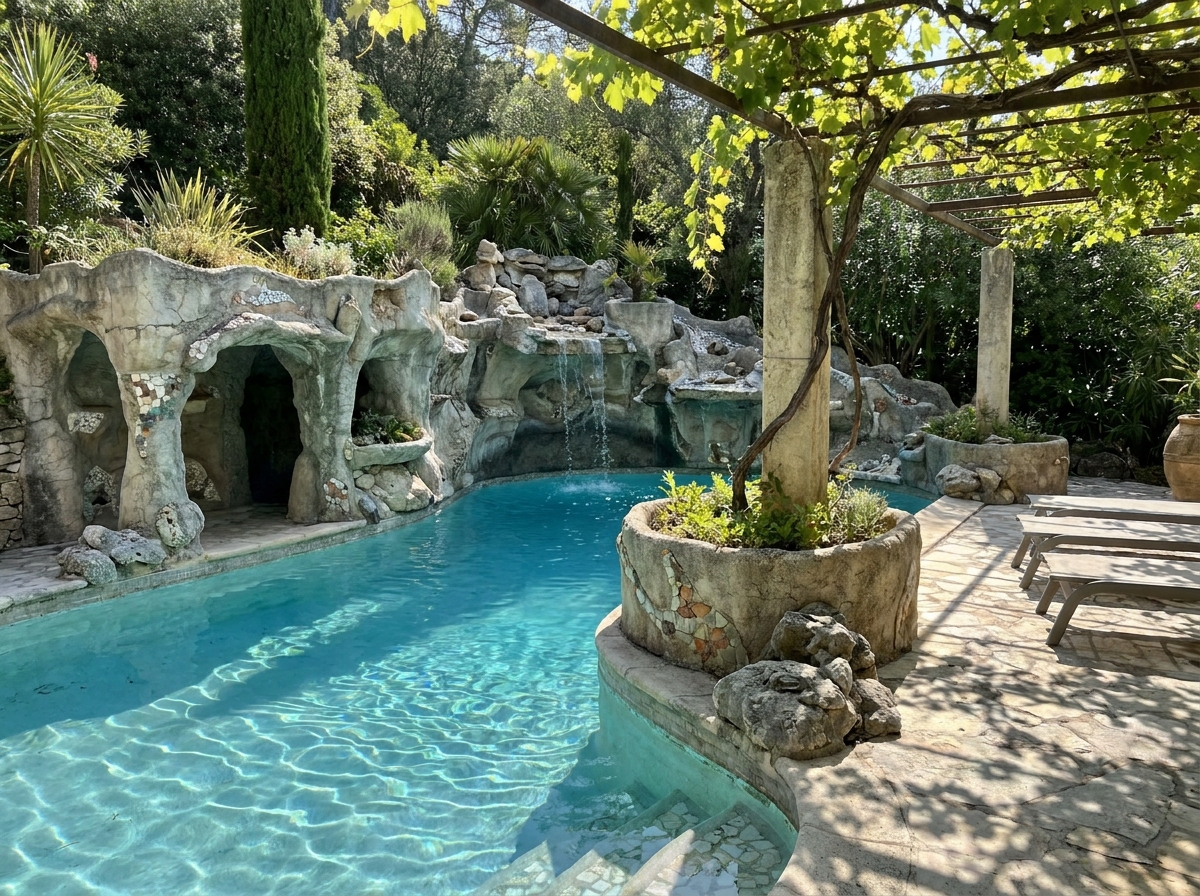
Popular Ferrocement Pool Concepts
- Family swimming pools for villas and bungalows
- Compact pools for limited spaces
- Farmhouse swimming pools
- Resort and hotel pools
- Curved and free-form pools
- Infinity-style visual concepts
- Pools integrated with artificial waterfalls
- Pools with built-in seating and steps
What Should Be Planned Before Construction?
- Site and soil: excavation, access, soil and groundwater conditions.
- Pool geometry: length, width, depth, curves, steps and seating.
- Structure: reinforcement, shell geometry and project-specific engineering.
- Waterproofing: appropriate treatment for the intended pool environment.
- Hydraulics: filtration, circulation, drains, skimmers, inlets and outlets.
- Finishing: tiles, plaster, pebble or other approved finishes.
- Landscape: deck, plants, lighting, rock features and surrounding circulation.
What Determines Ferrocement Swimming Pool Cost?
There is no responsible single price for every pool because project cost depends on the actual site and specification. Key variables include size, depth, shape, excavation, structural requirements, waterproofing, finishes, filtration, plumbing, electrical work, water features and site accessibility.
- Pool dimensions and water volume
- Shape and design complexity
- Excavation and ground conditions
- Reinforcement and structural requirements
- Waterproofing system
- Tiles or other surface finishes
- Filtration and circulation equipment
- Plumbing and electrical requirements
- Steps, seating, lighting and water features
- Site access and transportation
Avoid comparing pool quotations only by area
Design the Pool Before You Build It
The best swimming pool projects start with a clear concept. Decide the purpose, dimensions, budget, finish, circulation system and landscape relationship before construction begins. Early planning also reduces changes during execution.
Planning a Custom Swimming Pool?
Frequently Asked Questions
Keep Reading
More Articles
 Construction Process & Workmanship
Ferrocement Construction Process
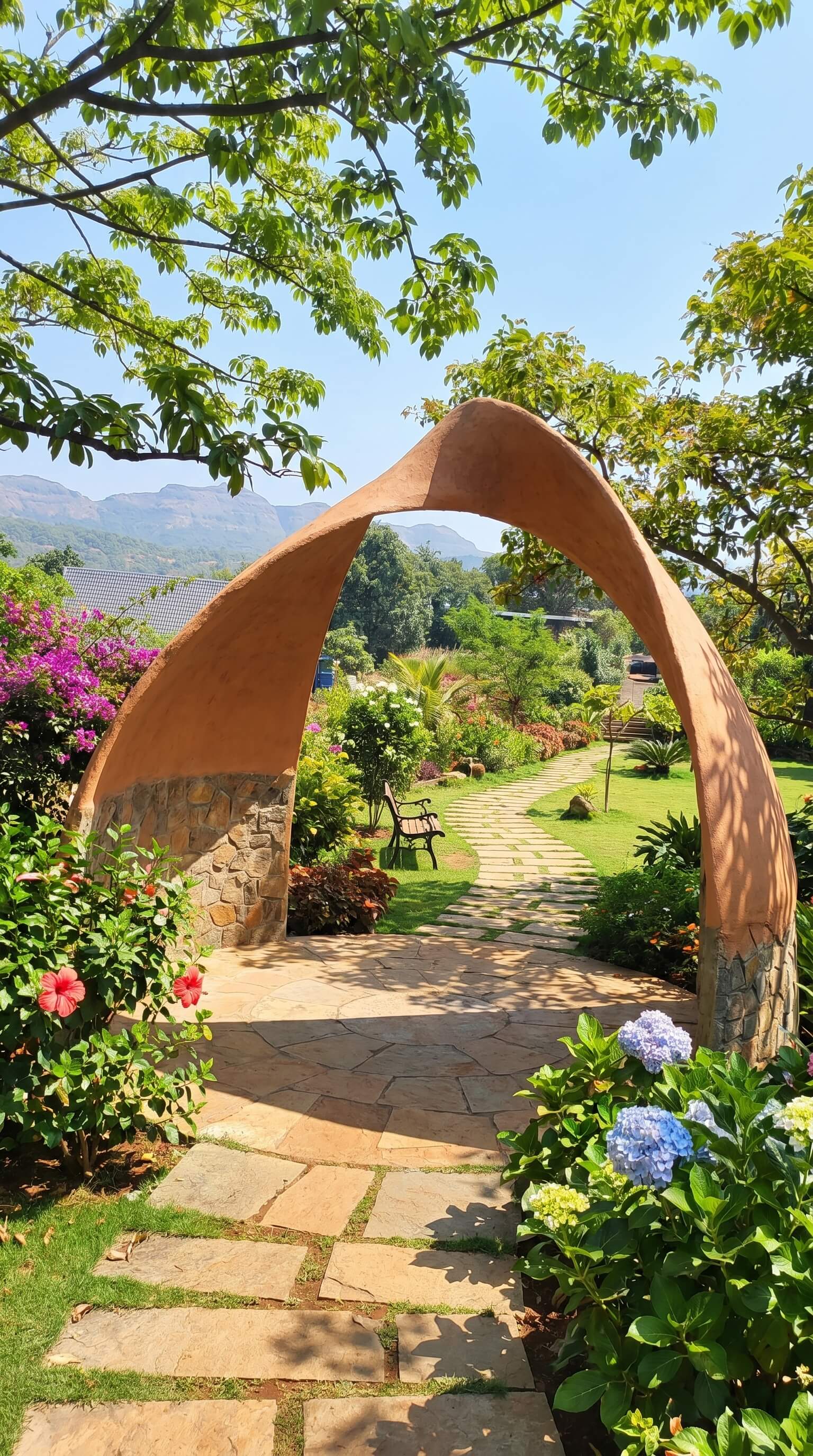
Understand the ferrocement project journey from site inspection and design to reinforcement, mortar application, curing, waterproofing, finishing and handover.
Read Article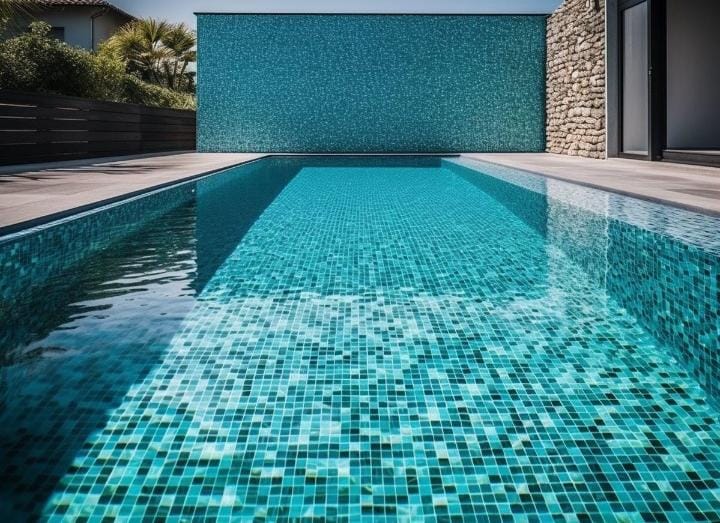 Resort & Farmhouse Construction
Ferrocement for Resorts & Farmhouses
Explore how ferrocement can help create memorable resort and farmhouse environments with pools, artificial waterfalls, caves, rockeries, gazebos and custom landscape features.
Read Article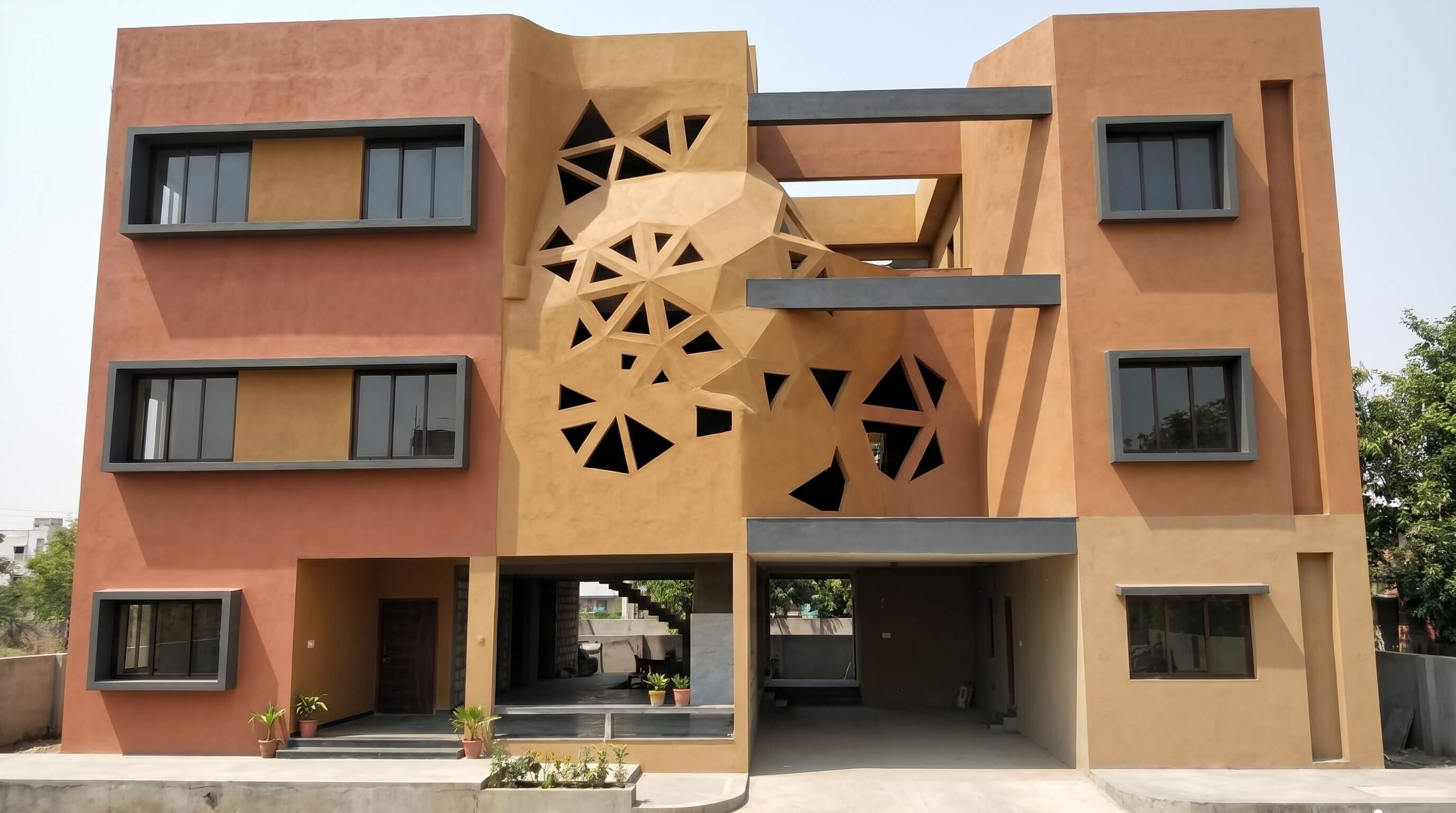 Architectural Ferrocrete
Ferrocrete Building Elevation
Discover how ferrocrete can transform building façades using fins, arches, domes, pergolas, columns, screens and custom architectural forms.
Read Article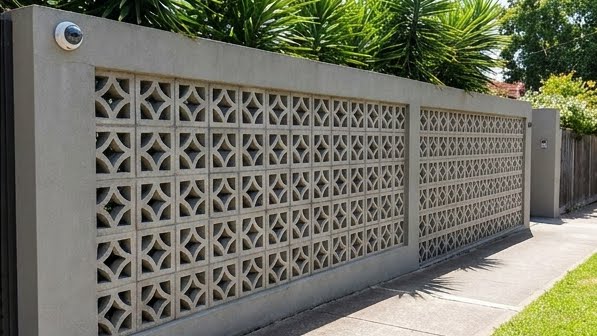 Compound & Boundary Walls
Ferrocement Compound Walls
Explore ferrocement compound walls for homes, villas, farmhouses, societies and commercial properties, combining boundary protection with modern architectural design.
Read Article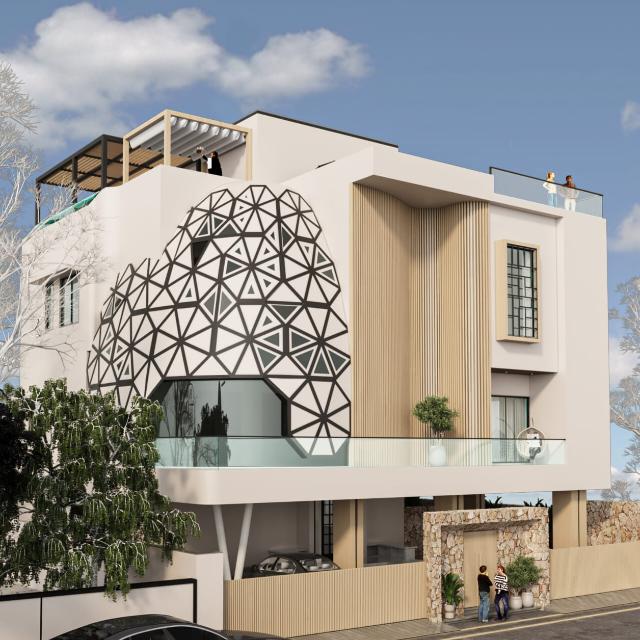 Construction Comparisons
Ferrocement vs RCC
Ferrocement and RCC are different construction systems. Understand their characteristics, applications, advantages, limitations and how to select the right approach for a project.
Read Article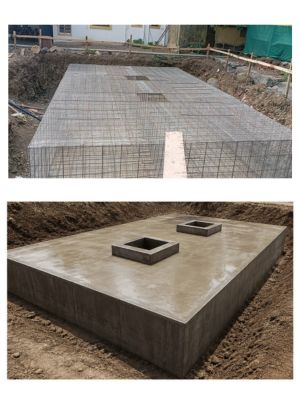 Water Storage Solutions
Ferrocement Water Tanks
Learn why ferrocement water tanks can be considered for residential, agricultural and commercial water storage, including capacity, site, waterproofing and maintenance considerations.
Read Article