
One of the most common questions from property owners and project planners is: “Is ferrocement better than RCC?” The more useful question is “Which construction system is appropriate for this particular project?” Ferrocement and reinforced cement concrete are different systems with different characteristics and applications.
What Is the Basic Difference?
Conventional RCC (Reinforced Cement Concrete) generally uses concrete with aggregate and reinforcement bars. Ferrocement uses cementitious mortar with closely spaced mesh and reinforcement according to the design. This makes ferrocement particularly interesting for thin-shell, lightweight and custom-shaped structures.
Ferrocement vs RCC Comparison
| Factor | Ferrocement | RCC |
|---|---|---|
| Basic system | Thin reinforced mortar shell | Concrete with reinforcement |
| Weight | Can be comparatively lightweight in suitable applications | Generally heavier for equivalent conventional forms |
| Shape flexibility | Excellent for curved and custom forms | Flexible but may require more conventional formwork |
| Typical applications | Tanks, pools, shells, walls and architectural elements | Foundations, beams, columns, slabs and conventional structural frames |
| Formwork | Can reduce conventional formwork for suitable shapes | Commonly uses conventional formwork |
| Design approach | Specialist detailing is important | Established reinforced concrete design practices |
When Can Ferrocement Be Attractive?
- The project needs custom curved or sculptural forms.
- A relatively lightweight shell is advantageous.
- The application involves a suitable water-retaining structure.
- Architectural flexibility is important.
- The project includes custom landscape or decorative elements.
- A thin-shell construction approach is technically appropriate.
When May RCC Be More Appropriate?
- Conventional building frames
- Foundations designed as RCC systems
- High-load beams and columns
- Multi-storey structural systems
- Projects already engineered around conventional reinforced concrete
There is no universal winner
What Should You Compare Before Choosing?
- Structural requirement and expected loading
- Geometry and complexity of the proposed form
- Site conditions and accessibility
- Construction method and available workmanship
- Waterproofing requirements
- Finishing and architectural requirements
- Maintenance and long-term use
- Total project cost, not only material cost
Not Sure Which Construction Method Fits?
Frequently Asked Questions
Keep Reading
More Articles
 Construction Process & Workmanship
Ferrocement Construction Process
Understand the ferrocement project journey from site inspection and design to reinforcement, mortar application, curing, waterproofing, finishing and handover.
Read Article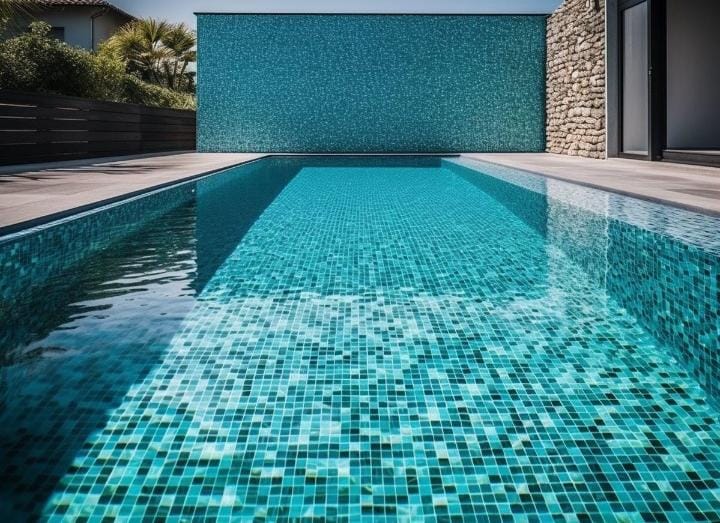 Resort & Farmhouse Construction
Ferrocement for Resorts & Farmhouses
Explore how ferrocement can help create memorable resort and farmhouse environments with pools, artificial waterfalls, caves, rockeries, gazebos and custom landscape features.
Read Article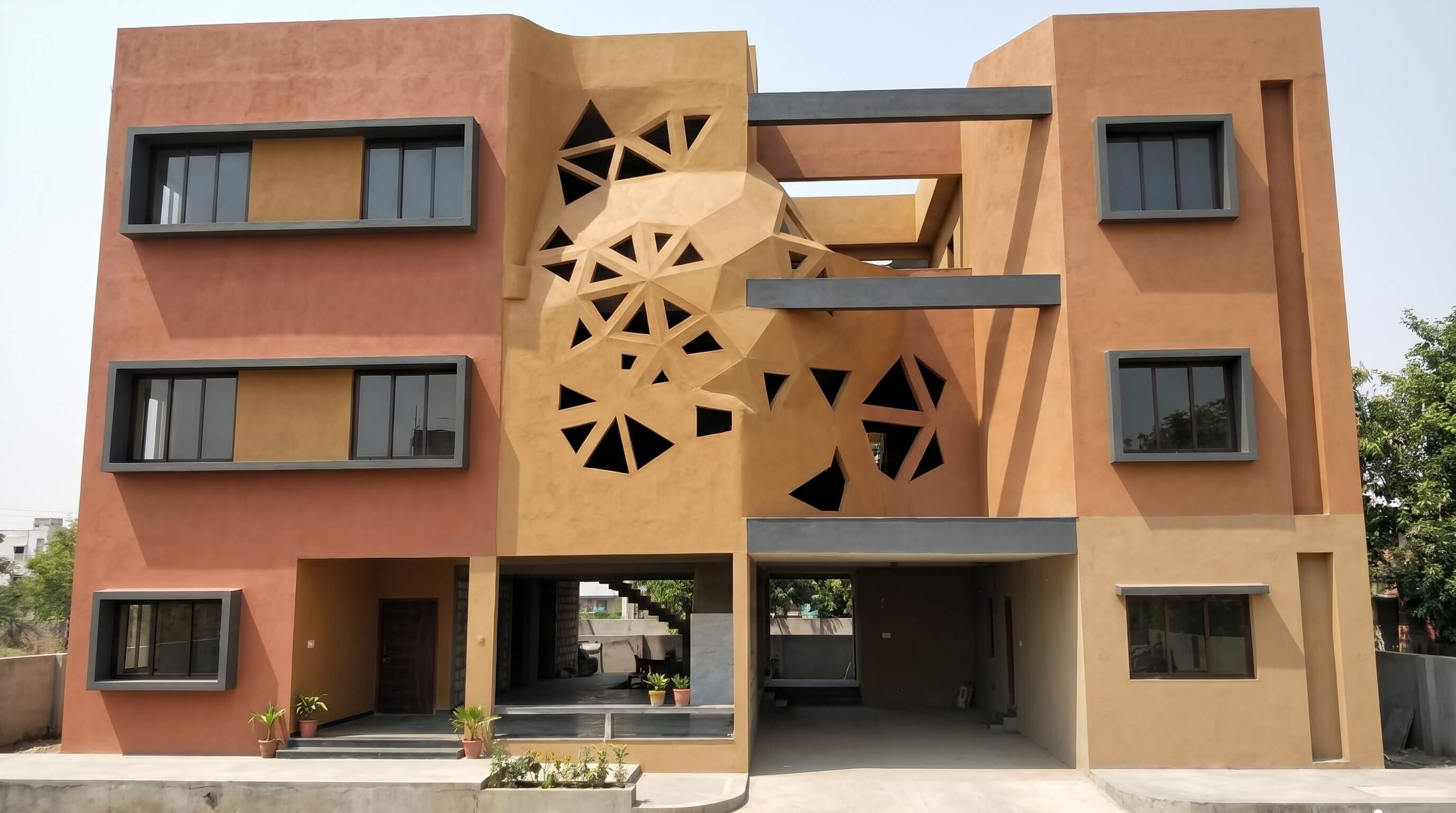 Architectural Ferrocrete
Ferrocrete Building Elevation
Discover how ferrocrete can transform building façades using fins, arches, domes, pergolas, columns, screens and custom architectural forms.
Read Article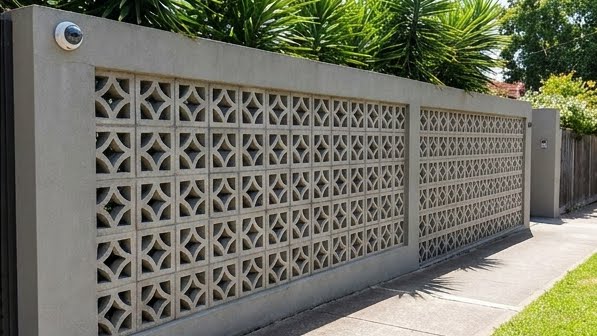 Compound & Boundary Walls
Ferrocement Compound Walls
Explore ferrocement compound walls for homes, villas, farmhouses, societies and commercial properties, combining boundary protection with modern architectural design.
Read Article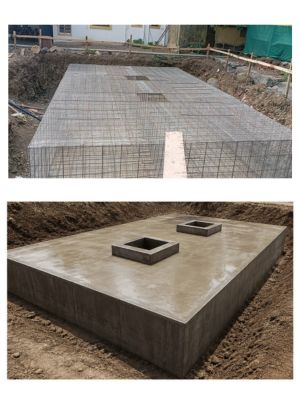 Water Storage Solutions
Ferrocement Water Tanks
Learn why ferrocement water tanks can be considered for residential, agricultural and commercial water storage, including capacity, site, waterproofing and maintenance considerations.
Read Article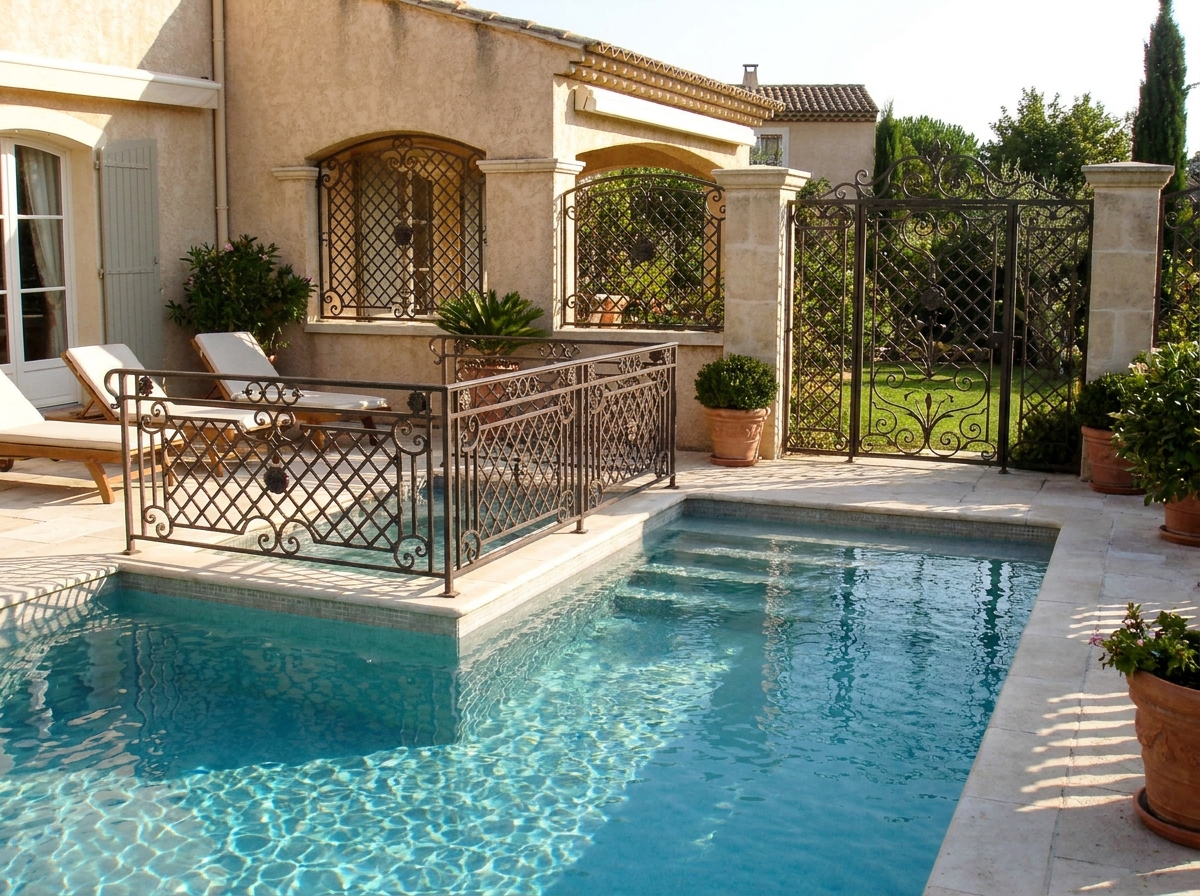 Swimming Pool Construction
Ferrocement Swimming Pools
Planning a pool for a home, farmhouse, resort or club? Learn how ferrocement swimming pools can be designed, constructed, waterproofed and finished around your site and requirements.
Read Article